Home / Wheel-lift towing
24/7 · CHICAGO’S NORTH SIDE
24/7 Towing in Lake View East, Chicago
24/7 towing in Lake View East and Chicago’s North Side. Call Rick’s for a wheel-lift tow, vehicle compatibility check and quote.
English & Spanish assistance · Hablamos español.
Actual wheel-lift work
Rick’s has transported passenger vehicles with wheel-lift equipment and, when appropriate, dollies. Vehicle fit and loading method need confirmation before dispatch.
Related vehicle and service questions
Choose the guide that matches your vehicle problem or pickup location. Confirm access, vehicle suitability and availability when you call.
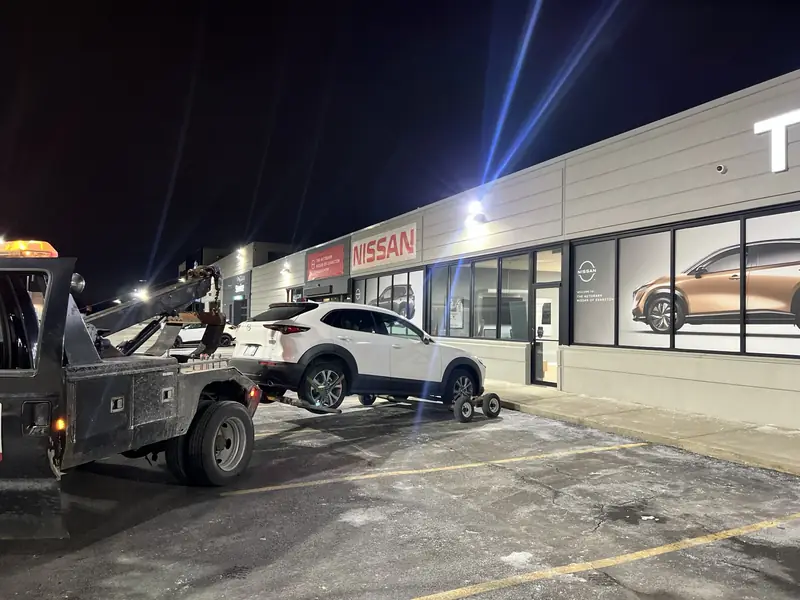
White SUV transported with dollies
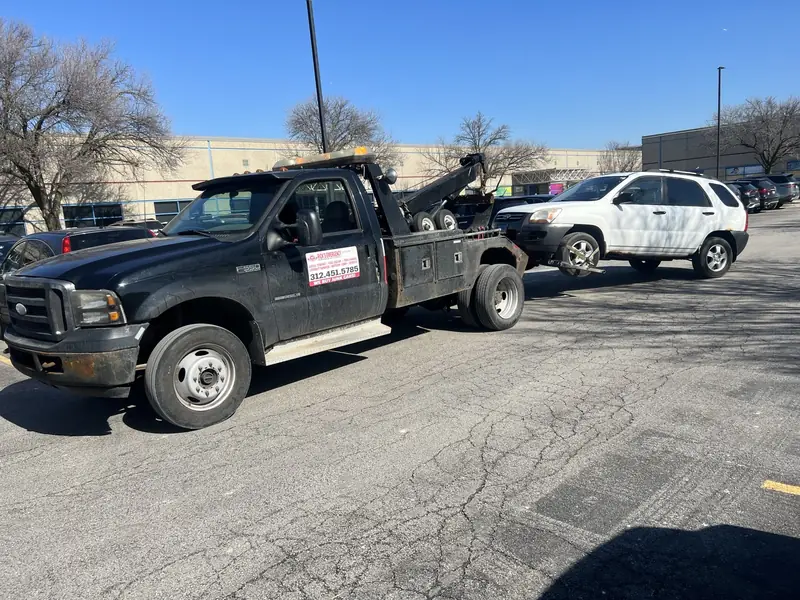
White SUV on a wheel lift
Watch a wheel-lift pickup setup
This owner-provided clip shows a parking-lot tow setup. Confirm the vehicle’s drivetrain, wheel condition and access before arranging a tow.
Parking-lot wheel-lift tow setup — Rick’s tow equipment and a Honda sedan during a parking-lot pickup. The clip does not document a mechanical diagnosis or precise neighborhood.
Getting a towing service estimate
A useful tow truck quote needs both addresses and the vehicle’s condition. A short trip can still require extra handling if the car has no keys, damaged wheels or difficult garage access. Tell Rick’s about these conditions before agreeing to the job.
| Detail | What to tell Rick’s |
|---|---|
| Trip | Pickup address, repair-shop destination and loaded distance. |
| Vehicle | Year, make, model, drivetrain, keys and whether it rolls and steers. |
| Access or recovery | Garage height, alley width, blocked wheels or a vehicle stuck off the pavement. |
| Time and payment | Ask about after-hours charges, payment method and the total before service. |
For a reference estimate, use Rick’s towing rate calculator. Calculator figures are subject to change; confirm the actual quote directly. Rick’s uses light-duty wheel-lift equipment and does not offer flatbed towing.
Will a towing estimate cover a car that cannot roll?
Only if the quote accounts for that condition. Tell Rick’s which wheels are blocked or damaged and whether the car steers. Additional equipment, recovery work or a different provider may be necessary; confirm suitability before dispatch.
Trying to find a car that was already towed?
Use the City’s official vehicle search for City tows and relocations. It does not include every private tow. Confirm the vehicle’s location and release requirements with the responsible facility before arranging another service. Read the tow preparation guide for the next steps.
When a tow may be safer than another roadside attempt
Discuss towing when the engine repeatedly stalls, the car overheats or leaks coolant, a wheel is damaged, or there is no usable spare. A jump start cannot correct those conditions. If smoke, fire, injuries or immediate traffic danger are involved, call 911 first.
Report whether the vehicle stopped while driving or simply would not restart after parking. Include warning lights and symptoms without guessing the cause. See the pickup and repair-shop delivery checklist.
Wheel-lift suitability depends on the vehicle
Rick’s offers light-duty wheel-lift towing; no flatbed or heavy-duty towing is offered. AWD, 4WD, hybrid and electric vehicles need an individual review of the manufacturer’s transport requirements. Locked or damaged wheels, low ground clearance and restricted access may change whether the job is possible.
For example, Ford’s linked manual requires all wheels off the road for the AWD/4WD configurations it covers, using appropriate equipment. Consult the manual for your exact vehicle; this example does not establish compatibility for every model.
A real North Side tow
A BMW shut off near Southport and Fullerton and would not restart. Rick’s handled a wheel-lift tow for the disabled vehicle. Another call may need a different approach, so describe the condition before booking.
What to tell Rick’s
These details help us check the right service, availability, arrival estimate and price:
- Vehicle year, make, model and drivetrain (2WD, AWD or 4WD)
- Whether it rolls and steers, and whether any wheels are damaged
- Key availability, garage clearance or alley restrictions
- Pickup cross streets and towing destination
Common questions
Do you offer flatbed towing?
No. Rick’s uses a wheel-lift truck. Call to check whether your vehicle can be serviced.
Can a car without keys be towed?
Sometimes, but missing keys can leave steering locked, the transmission in Park or an electronic parking brake engaged. Give the year, make, model, drivetrain and vehicle position; explain whether it rolls and steers and whether you can access the cabin. Do not force a shifter or steering lock. Rick’s must confirm a suitable wheel-lift setup and safe access before accepting the tow. Be prepared to establish that you are authorized to request the vehicle’s removal.
Ready to discuss your vehicle?
Share your location, vehicle details and symptoms. Confirm availability, arrival estimate and price by phone.
Explore related help
Useful next steps
Questions before you call
Is there 24-hour towing in Chicago?
Rick’s Emergency Roadside Assistance is open 24/7 for compatible light-duty wheel-lift towing in Lake View East and Chicago’s North Side, with nearby suburban service by arrangement. Call (312) 451-5785 to confirm availability for your exact location.
How should I choose between towing companies?
Confirm the company name, vehicle compatibility, pickup access, destination, total quote and current arrival estimate. Ask what conditions could change the price. Rick’s does not offer flatbed or heavy-duty towing.
Help for specific situations
AWD and 4WD towing with wheel-lift equipment and dollies
Rick’s can use wheel-lift equipment with towing dollies for compatible vehicles that require all four wheels off the road. Dollies support the wheels that are not held by the wheel lift. This is a different setup from a flatbed; Rick’s does not offer flatbed towing.
AWD or 4WD alone does not establish compatibility. Before dispatch, provide the year, make, model, drivetrain, key status, wheel condition and whether the car rolls and steers. The owner’s manual, vehicle weight and dimensions, ground clearance, damage and loading space all affect the equipment choice. Tell Rick’s about an EV or hybrid and any manufacturer transport instructions.
Do not assume shifting into neutral makes wheels-on-road towing safe. Rick’s must confirm that the available wheel-lift and dolly setup can meet the requirements for your exact vehicle and pickup location. If it cannot, another transport method or provider may be needed.
Need a tow?
Have your cross streets, vehicle details and destination ready. Rick’s will confirm suitability, availability and price.
Urgent help? Call. Messages do not confirm service.
Nearby service areas
Talk to Rick’s
Wheel-lift towing and roadside assistance in Lake View East and Chicago’s North Side.
Can I request a light-duty wrecker service in Chicago?
Yes. Rick’s uses a wheel-lift tow truck for compatible passenger vehicles in Lake View East and Chicago’s North Side. “Wrecker service” can also refer to much larger recovery equipment, so describe the vehicle and the problem before booking. Rick’s does not offer heavy-duty or flatbed towing. If the vehicle is stuck rather than simply disabled, request a recovery assessment as well.
Light-duty winch-out assessment · Compare the full towing quote
Compare the relevant service options
Use the service guide that matches the symptoms, then confirm vehicle suitability and availability with Rick’s.